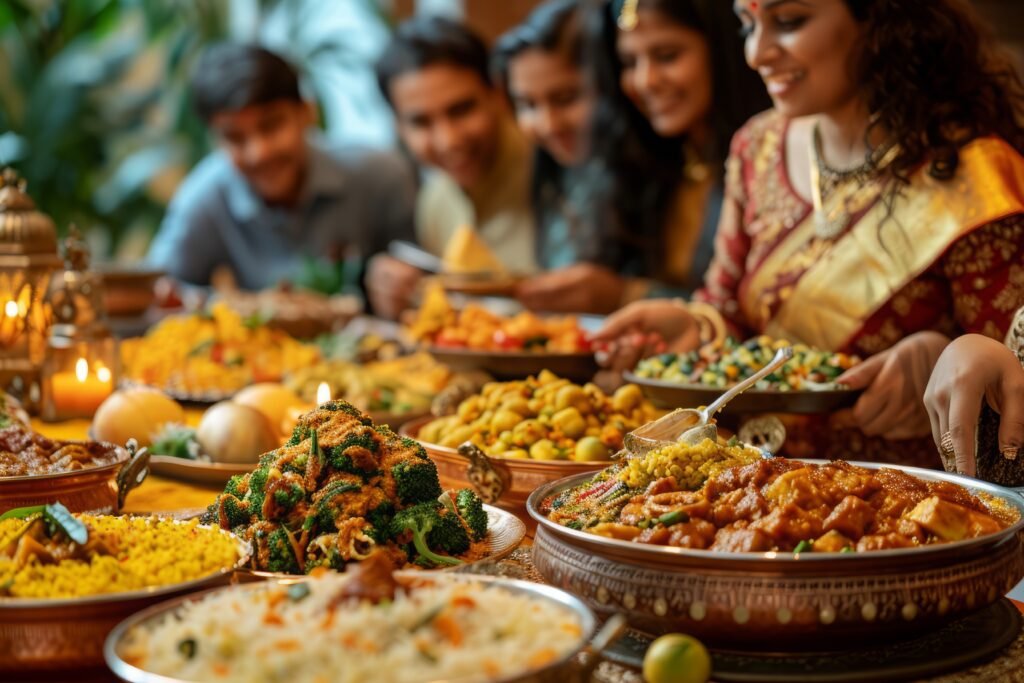
In 2026, pure vegetarian catering in Malaysia is no longer a niche choice reserved for religious functions or specific communities. It has evolved into a mainstream catering preference, embraced by corporates, multicultural families, wellness-focused consumers, and event planners who value inclusivity, health, and sustainability.
What was once seen as “limited” is now recognised as versatile, elegant, and universally acceptable.
Malaysia’s Multicultural Reality Demands Inclusive Food
Malaysia’s diversity is one of its greatest strengths—but also one of the biggest challenges when planning events.
Pure vegetarian catering solves this elegantly:
- Suitable for Hindu, Buddhist, Jain, and many Muslim-friendly events
- No concerns about halal vs non-halal handling
- Safe choice for mixed crowds: Malays, Chinese, Indians, expats, and tourists
In 2026, event hosts increasingly ask one question:
“What food works for everyone?”
The answer is often pure vegetarian catering.
Health Awareness Is No Longer a Trend — It’s a Lifestyle
Post-pandemic habits, rising lifestyle diseases, and growing nutrition awareness have reshaped food choices in Malaysia.
Pure vegetarian menus are now associated with:
- Lighter digestion (less food coma at events 😅)
- Lower saturated fats
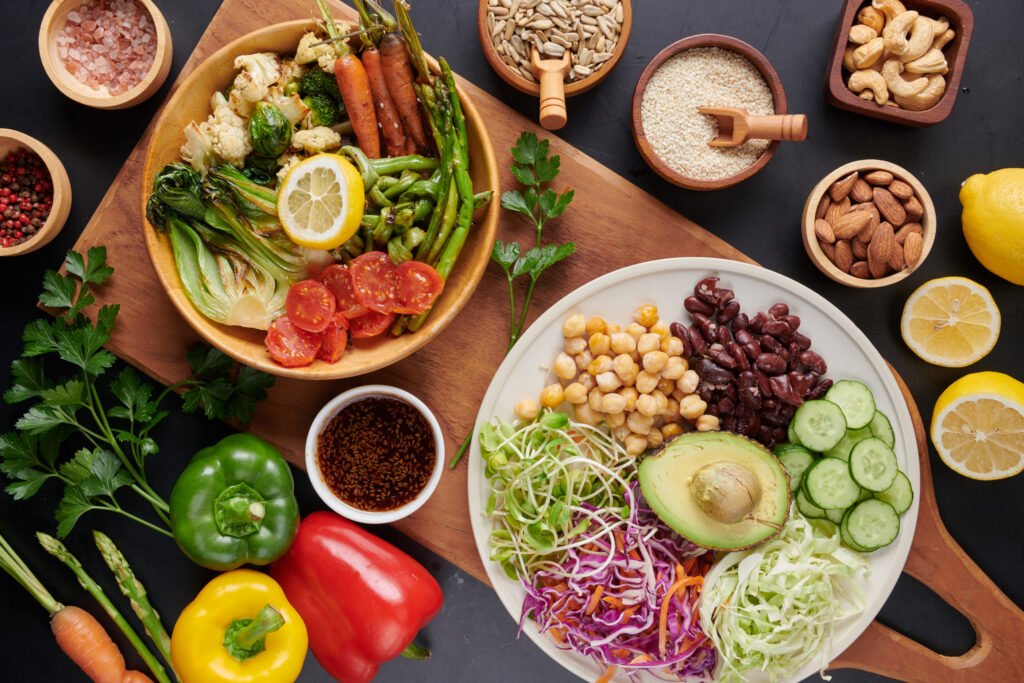
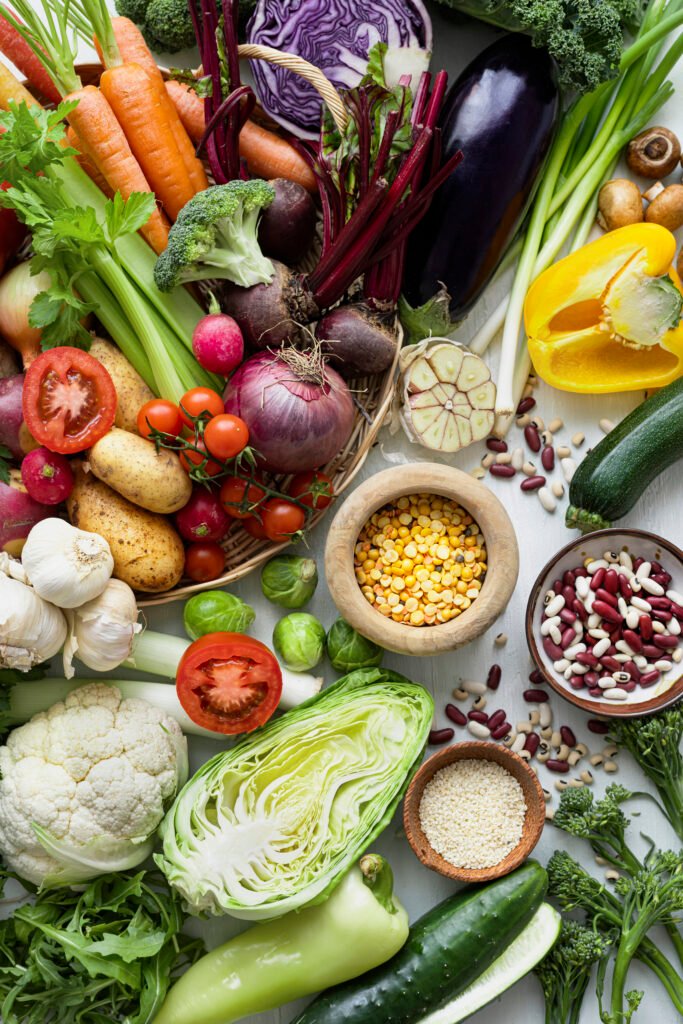
- More fibre, grains, legumes, and vegetables
- Reduced dependency on processed proteins
In corporate events especially, organisers prefer catering that keeps guests energised, alert, and comfortable—not sluggish.
Vegetarian food has quietly become the “smart choice”.
Sustainability & Climate Awareness Are Influencing Decisions
By 2026, sustainability is no longer just a CSR checkbox.
Consumers understand that:
- Vegetarian catering has a lower carbon footprint
- Less water usage compared to meat-heavy menus
- Reduced food waste (vegetarian dishes reheat and store better)
Many companies now intentionally choose vegetarian catering to align with:
- ESG goals
- Green events
- Environmentally responsible branding
Choosing pure vegetarian catering sends a subtle but powerful message:
“We care about people and the planet.”
Modern Pure Vegetarian Food Is Not “Boring” Anymore
Let’s be honest—old perceptions still linger:
“Vegetarian food is bland.”
That myth doesn’t survive 2026.
Today’s pure vegetarian catering includes:
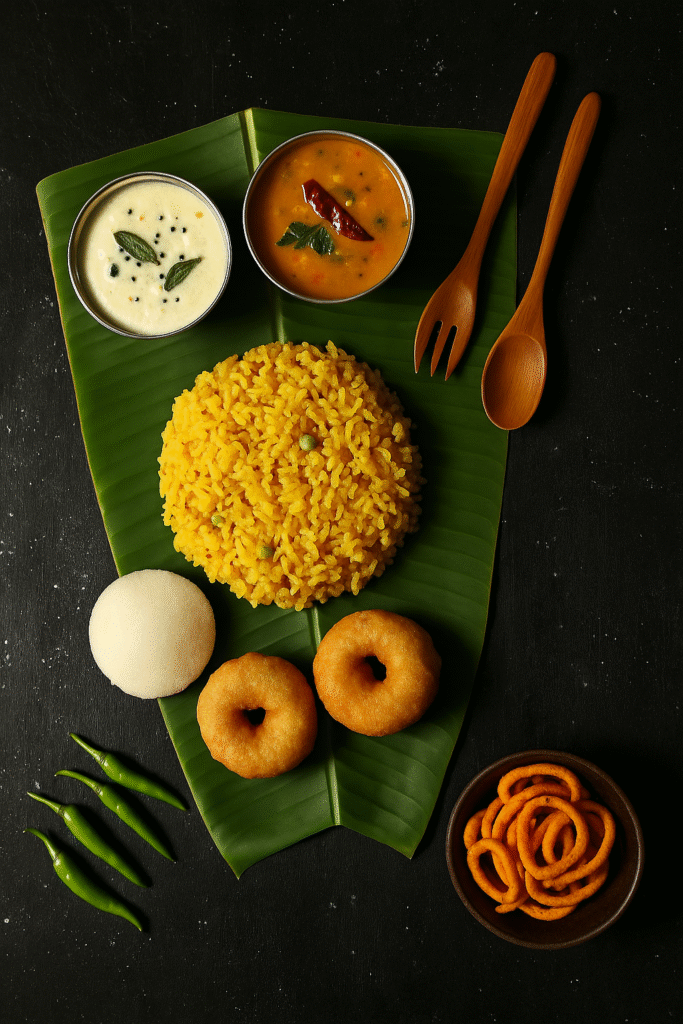
- South Indian banana leaf feasts
- Malaysian favourites like vegetarian nasi lemak & mee goreng
- Chinese-style stir-fries, tofu dishes, and dim sum
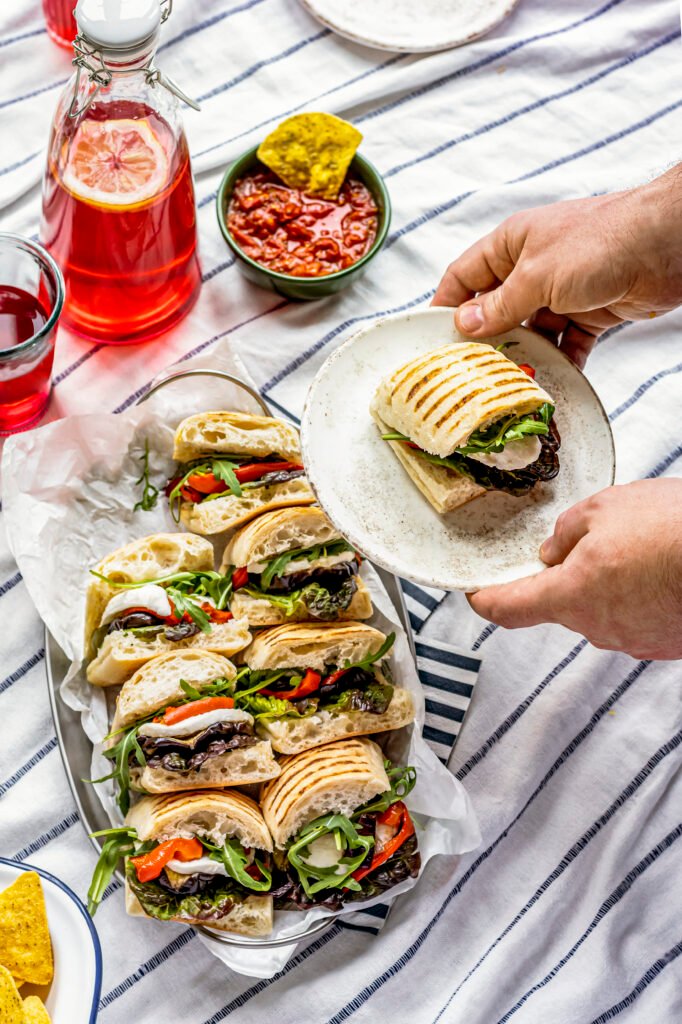
- Western classics reinvented: pasta, grills, soups, and sides
With better culinary creativity, presentation, and menu customisation, vegetarian catering is now experience-driven, not restrictive.
Religious & Cultural Events Still Drive Strong Demand
While vegetarian catering has gone mainstream, traditional demand remains strong:
- Weddings
- Temple poojas
- Annadhanam
- Housewarmings
- Religious festivals
The difference in 2026?
These events are now larger, more professional, and more premium—with hosts expecting:
- Hygiene
- Presentation
- Timely service
- Menu storytelling
Pure vegetarian caterers who combine tradition + professionalism are seeing consistent growth.
The Rise of “First-Choice Pure Vegetarian” Events
An interesting shift in 2026:
Vegetarian catering is no longer a fallback option.
Many hosts now intentionally choose vegetarian first, even when meat is allowed—because:
- It avoids dietary conflicts
- It’s cost-efficient at scale
- It feels inclusive and modern
This is especially visible in:
- Corporate training programs
- Community events
- Wellness retreats
- NGO & educational functions
Final Thought: Pure Vegetarian Is No Longer a Compromise
In Malaysia, pure vegetarian catering has crossed an important line.
It is no longer about restriction. It is about choice, inclusivity, wellness, and values.
As we move deeper into 2026, one thing is clear:
Pure vegetarian catering isn’t just growing — it’s redefining how Malaysians host events.